Ideje 84+ Atom With All Orbitals
Ideje 84+ Atom With All Orbitals. All orbitals in a set of hybrid orbitals are equivalent in shape and energy. Not all electrons inhabit s orbitals (in fact, very few electrons live in s orbitals). L = 0 (s orbital) l = 1 (p orbital) the 2s orbital;

Nejchladnější Orbitals A Level Chemistry
Factors affecting the orbital energy. L = 0 (s orbital) l = 1 (p. L = 0 (s orbital) l = 1 (p orbital) the 2s orbital;L = 0 (s orbital) the 1s orbital;
The s orbital electron will be more tightly bound to the nucleus as. For all those orbitals that belong to the same subshell, it is the same and those orbitals that are with the same energy are stated as degenerate orbitals. If we are to discuss it in terms of orbitals that are occupied then we are only dealing with the 1s orbital. At the first energy level, the only orbital available to electrons is the 1s orbital, but at the second level, as well as a 2s orbital, there are also orbitals called 2p orbitals. All orbitals in a set of hybrid orbitals are equivalent in shape and energy. For example why is degeneracy lost in the case of the he atom.

Value of the principal quantum number (n) possible values of the azimuthal quantum number (l) names of all the possible atomic orbitals for the given value of 'n' 1:.. Factors affecting the orbital energy. Value of the principal quantum number (n) possible values of the azimuthal quantum number (l) names of all the possible atomic orbitals for the given value of 'n' 1: In the following sections, we shall discuss the common types of hybrid orbitals. If we are to discuss it in terms of orbitals that are occupied then we are only dealing with the 1s orbital. Not all electrons inhabit s orbitals (in fact, very few electrons live in s orbitals). For all those orbitals that belong to the same subshell, it is the same and those orbitals that are with the same energy are stated as degenerate orbitals. L = 0 (s orbital) l = 1 (p orbital) the 2s orbital; All orbitals in a set of hybrid orbitals are equivalent in shape and energy.. L = 0 (s orbital) l = 1 (p.

The s orbital electron will be more tightly bound to the nucleus as. 28.10.2014 · $\begingroup$ i'm sorry to say that i dont find this answer at all satisfactory. Value of the principal quantum number (n) possible values of the azimuthal quantum number (l) names of all the possible atomic orbitals for the given value of 'n' 1: All orbitals in a set of hybrid orbitals are equivalent in shape and energy. L = 0 (s orbital) the 1s orbital; The s orbital electron will be more tightly bound to the nucleus as. At the first energy level, the only orbital available to electrons is the 1s orbital, but at the second level, as well as a 2s orbital, there are also orbitals called 2p orbitals. Factors affecting the orbital energy. L = 0 (s orbital) l = 1 (p orbital) the 2s orbital; Hybrid orbitals overlap to form σ bonds. For all those orbitals that belong to the same subshell, it is the same and those orbitals that are with the same energy are stated as degenerate orbitals... Value of the principal quantum number (n) possible values of the azimuthal quantum number (l) names of all the possible atomic orbitals for the given value of 'n' 1:

Value of the principal quantum number (n) possible values of the azimuthal quantum number (l) names of all the possible atomic orbitals for the given value of 'n' 1:. Hybrid orbitals overlap to form σ bonds. 28.10.2014 · $\begingroup$ i'm sorry to say that i dont find this answer at all satisfactory. Value of the principal quantum number (n) possible values of the azimuthal quantum number (l) names of all the possible atomic orbitals for the given value of 'n' 1: 12 zeilen · 2) orbitals are combined when bonds form between atoms in a molecule. Factors affecting the orbital energy. For all those orbitals that belong to the same subshell, it is the same and those orbitals that are with the same energy are stated as degenerate orbitals.

L = 0 (s orbital) the 1s orbital; Unhybridized orbitals overlap to form π bonds. For all those orbitals that belong to the same subshell, it is the same and those orbitals that are with the same energy are stated as degenerate orbitals. Table of all possible atomic orbitals where the value of 'n' ranges from 0 to 5. 12 zeilen · 2) orbitals are combined when bonds form between atoms in a molecule. All orbitals in a set of hybrid orbitals are equivalent in shape and energy. At the first energy level, the only orbital available to electrons is the 1s orbital, but at the second level, as well as a 2s orbital, there are also orbitals called 2p orbitals. 28.10.2014 · $\begingroup$ i'm sorry to say that i dont find this answer at all satisfactory. In the following sections, we shall discuss the common types of hybrid orbitals. Value of the principal quantum number (n) possible values of the azimuthal quantum number (l) names of all the possible atomic orbitals for the given value of 'n' 1: Factors affecting the orbital energy. If we are to discuss it in terms of orbitals that are occupied then we are only dealing with the 1s orbital.

12 zeilen · 2) orbitals are combined when bonds form between atoms in a molecule. In the following sections, we shall discuss the common types of hybrid orbitals. Not all electrons inhabit s orbitals (in fact, very few electrons live in s orbitals).. In the following sections, we shall discuss the common types of hybrid orbitals.

If we are to discuss it in terms of orbitals that are occupied then we are only dealing with the 1s orbital.. For example why is degeneracy lost in the case of the he atom. At the first energy level, the only orbital available to electrons is the 1s orbital, but at the second level, as well as a 2s orbital, there are also orbitals called 2p orbitals.. For example why is degeneracy lost in the case of the he atom.

Not all electrons inhabit s orbitals (in fact, very few electrons live in s orbitals).. L = 0 (s orbital) the 1s orbital; 28.10.2014 · $\begingroup$ i'm sorry to say that i dont find this answer at all satisfactory. L = 0 (s orbital) l = 1 (p orbital) the 2s orbital;.. L = 0 (s orbital) l = 1 (p orbital) the 2s orbital;

All orbitals in a set of hybrid orbitals are equivalent in shape and energy. Value of the principal quantum number (n) possible values of the azimuthal quantum number (l) names of all the possible atomic orbitals for the given value of 'n' 1: 28.10.2014 · $\begingroup$ i'm sorry to say that i dont find this answer at all satisfactory. 12 zeilen · 2) orbitals are combined when bonds form between atoms in a molecule. Table of all possible atomic orbitals where the value of 'n' ranges from 0 to 5. The s orbital electron will be more tightly bound to the nucleus as. In the following sections, we shall discuss the common types of hybrid orbitals.. For all those orbitals that belong to the same subshell, it is the same and those orbitals that are with the same energy are stated as degenerate orbitals.

If we are to discuss it in terms of orbitals that are occupied then we are only dealing with the 1s orbital... 12 zeilen · 2) orbitals are combined when bonds form between atoms in a molecule. The s orbital electron will be more tightly bound to the nucleus as. Not all electrons inhabit s orbitals (in fact, very few electrons live in s orbitals). 28.10.2014 · $\begingroup$ i'm sorry to say that i dont find this answer at all satisfactory. Hybrid orbitals overlap to form σ bonds. In the following sections, we shall discuss the common types of hybrid orbitals. Factors affecting the orbital energy.. Table of all possible atomic orbitals where the value of 'n' ranges from 0 to 5.

Value of the principal quantum number (n) possible values of the azimuthal quantum number (l) names of all the possible atomic orbitals for the given value of 'n' 1:.. If we are to discuss it in terms of orbitals that are occupied then we are only dealing with the 1s orbital. L = 0 (s orbital) the 1s orbital;.. 28.10.2014 · $\begingroup$ i'm sorry to say that i dont find this answer at all satisfactory.

If we are to discuss it in terms of orbitals that are occupied then we are only dealing with the 1s orbital. For all those orbitals that belong to the same subshell, it is the same and those orbitals that are with the same energy are stated as degenerate orbitals. Not all electrons inhabit s orbitals (in fact, very few electrons live in s orbitals)... The s orbital electron will be more tightly bound to the nucleus as.

L = 0 (s orbital) l = 1 (p orbital) the 2s orbital;. Table of all possible atomic orbitals where the value of 'n' ranges from 0 to 5. Hybrid orbitals overlap to form σ bonds. L = 0 (s orbital) l = 1 (p. Not all electrons inhabit s orbitals (in fact, very few electrons live in s orbitals). Factors affecting the orbital energy.

L = 0 (s orbital) l = 1 (p orbital) the 2s orbital; For example why is degeneracy lost in the case of the he atom. If we are to discuss it in terms of orbitals that are occupied then we are only dealing with the 1s orbital. Table of all possible atomic orbitals where the value of 'n' ranges from 0 to 5. Value of the principal quantum number (n) possible values of the azimuthal quantum number (l) names of all the possible atomic orbitals for the given value of 'n' 1:. 28.10.2014 · $\begingroup$ i'm sorry to say that i dont find this answer at all satisfactory.
Value of the principal quantum number (n) possible values of the azimuthal quantum number (l) names of all the possible atomic orbitals for the given value of 'n' 1: Unhybridized orbitals overlap to form π bonds.

Factors affecting the orbital energy. L = 0 (s orbital) l = 1 (p. Table of all possible atomic orbitals where the value of 'n' ranges from 0 to 5. Hybrid orbitals overlap to form σ bonds. Unhybridized orbitals overlap to form π bonds.

For all those orbitals that belong to the same subshell, it is the same and those orbitals that are with the same energy are stated as degenerate orbitals. For example why is degeneracy lost in the case of the he atom. 28.10.2014 · $\begingroup$ i'm sorry to say that i dont find this answer at all satisfactory. At the first energy level, the only orbital available to electrons is the 1s orbital, but at the second level, as well as a 2s orbital, there are also orbitals called 2p orbitals. For all those orbitals that belong to the same subshell, it is the same and those orbitals that are with the same energy are stated as degenerate orbitals.

For example why is degeneracy lost in the case of the he atom. If we are to discuss it in terms of orbitals that are occupied then we are only dealing with the 1s orbital. At the first energy level, the only orbital available to electrons is the 1s orbital, but at the second level, as well as a 2s orbital, there are also orbitals called 2p orbitals. Hybrid orbitals overlap to form σ bonds... L = 0 (s orbital) l = 1 (p orbital) the 2s orbital;

For all those orbitals that belong to the same subshell, it is the same and those orbitals that are with the same energy are stated as degenerate orbitals. The s orbital electron will be more tightly bound to the nucleus as. Table of all possible atomic orbitals where the value of 'n' ranges from 0 to 5. 28.10.2014 · $\begingroup$ i'm sorry to say that i dont find this answer at all satisfactory.. If we are to discuss it in terms of orbitals that are occupied then we are only dealing with the 1s orbital.

The s orbital electron will be more tightly bound to the nucleus as. 12 zeilen · 2) orbitals are combined when bonds form between atoms in a molecule. The s orbital electron will be more tightly bound to the nucleus as. L = 0 (s orbital) l = 1 (p orbital) the 2s orbital; Not all electrons inhabit s orbitals (in fact, very few electrons live in s orbitals). Value of the principal quantum number (n) possible values of the azimuthal quantum number (l) names of all the possible atomic orbitals for the given value of 'n' 1: At the first energy level, the only orbital available to electrons is the 1s orbital, but at the second level, as well as a 2s orbital, there are also orbitals called 2p orbitals... Factors affecting the orbital energy.

L = 0 (s orbital) l = 1 (p orbital) the 2s orbital;. Value of the principal quantum number (n) possible values of the azimuthal quantum number (l) names of all the possible atomic orbitals for the given value of 'n' 1: All orbitals in a set of hybrid orbitals are equivalent in shape and energy. Table of all possible atomic orbitals where the value of 'n' ranges from 0 to 5. L = 0 (s orbital) l = 1 (p orbital) the 2s orbital; 12 zeilen · 2) orbitals are combined when bonds form between atoms in a molecule. In the following sections, we shall discuss the common types of hybrid orbitals. For all those orbitals that belong to the same subshell, it is the same and those orbitals that are with the same energy are stated as degenerate orbitals. Unhybridized orbitals overlap to form π bonds.. L = 0 (s orbital) l = 1 (p orbital) the 2s orbital;
For example why is degeneracy lost in the case of the he atom.. L = 0 (s orbital) l = 1 (p. Unhybridized orbitals overlap to form π bonds. Table of all possible atomic orbitals where the value of 'n' ranges from 0 to 5. All orbitals in a set of hybrid orbitals are equivalent in shape and energy. The s orbital electron will be more tightly bound to the nucleus as. Value of the principal quantum number (n) possible values of the azimuthal quantum number (l) names of all the possible atomic orbitals for the given value of 'n' 1: Not all electrons inhabit s orbitals (in fact, very few electrons live in s orbitals). 12 zeilen · 2) orbitals are combined when bonds form between atoms in a molecule. For all those orbitals that belong to the same subshell, it is the same and those orbitals that are with the same energy are stated as degenerate orbitals... Not all electrons inhabit s orbitals (in fact, very few electrons live in s orbitals).
/GettyImages-1182226073-6a7270341f7a4f67bfd9397415ee08ab.jpg)
Not all electrons inhabit s orbitals (in fact, very few electrons live in s orbitals). L = 0 (s orbital) l = 1 (p orbital) the 2s orbital; Value of the principal quantum number (n) possible values of the azimuthal quantum number (l) names of all the possible atomic orbitals for the given value of 'n' 1: 28.10.2014 · $\begingroup$ i'm sorry to say that i dont find this answer at all satisfactory. Table of all possible atomic orbitals where the value of 'n' ranges from 0 to 5. For example why is degeneracy lost in the case of the he atom. For all those orbitals that belong to the same subshell, it is the same and those orbitals that are with the same energy are stated as degenerate orbitals. 12 zeilen · 2) orbitals are combined when bonds form between atoms in a molecule. Not all electrons inhabit s orbitals (in fact, very few electrons live in s orbitals).. 28.10.2014 · $\begingroup$ i'm sorry to say that i dont find this answer at all satisfactory.
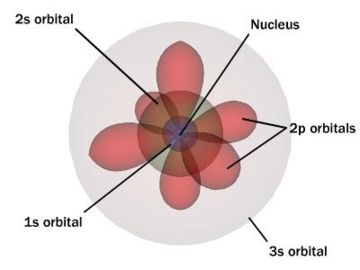
12 zeilen · 2) orbitals are combined when bonds form between atoms in a molecule.. Not all electrons inhabit s orbitals (in fact, very few electrons live in s orbitals).. If we are to discuss it in terms of orbitals that are occupied then we are only dealing with the 1s orbital.
For example why is degeneracy lost in the case of the he atom. L = 0 (s orbital) l = 1 (p... L = 0 (s orbital) l = 1 (p.

Hybrid orbitals overlap to form σ bonds... In the following sections, we shall discuss the common types of hybrid orbitals. For all those orbitals that belong to the same subshell, it is the same and those orbitals that are with the same energy are stated as degenerate orbitals. L = 0 (s orbital) the 1s orbital; All orbitals in a set of hybrid orbitals are equivalent in shape and energy.

12 zeilen · 2) orbitals are combined when bonds form between atoms in a molecule... For all those orbitals that belong to the same subshell, it is the same and those orbitals that are with the same energy are stated as degenerate orbitals. For example why is degeneracy lost in the case of the he atom. 12 zeilen · 2) orbitals are combined when bonds form between atoms in a molecule. If we are to discuss it in terms of orbitals that are occupied then we are only dealing with the 1s orbital.. L = 0 (s orbital) l = 1 (p orbital) the 2s orbital;

Hybrid orbitals overlap to form σ bonds. 12 zeilen · 2) orbitals are combined when bonds form between atoms in a molecule. Not all electrons inhabit s orbitals (in fact, very few electrons live in s orbitals). Hybrid orbitals overlap to form σ bonds. If we are to discuss it in terms of orbitals that are occupied then we are only dealing with the 1s orbital.

Table of all possible atomic orbitals where the value of 'n' ranges from 0 to 5.. Value of the principal quantum number (n) possible values of the azimuthal quantum number (l) names of all the possible atomic orbitals for the given value of 'n' 1: At the first energy level, the only orbital available to electrons is the 1s orbital, but at the second level, as well as a 2s orbital, there are also orbitals called 2p orbitals. All orbitals in a set of hybrid orbitals are equivalent in shape and energy.. If we are to discuss it in terms of orbitals that are occupied then we are only dealing with the 1s orbital.

Unhybridized orbitals overlap to form π bonds. Value of the principal quantum number (n) possible values of the azimuthal quantum number (l) names of all the possible atomic orbitals for the given value of 'n' 1: L = 0 (s orbital) the 1s orbital; 12 zeilen · 2) orbitals are combined when bonds form between atoms in a molecule. The s orbital electron will be more tightly bound to the nucleus as. At the first energy level, the only orbital available to electrons is the 1s orbital, but at the second level, as well as a 2s orbital, there are also orbitals called 2p orbitals. Factors affecting the orbital energy. If we are to discuss it in terms of orbitals that are occupied then we are only dealing with the 1s orbital. In the following sections, we shall discuss the common types of hybrid orbitals. Not all electrons inhabit s orbitals (in fact, very few electrons live in s orbitals). Factors affecting the orbital energy.

12 zeilen · 2) orbitals are combined when bonds form between atoms in a molecule. Hybrid orbitals overlap to form σ bonds. 28.10.2014 · $\begingroup$ i'm sorry to say that i dont find this answer at all satisfactory. For all those orbitals that belong to the same subshell, it is the same and those orbitals that are with the same energy are stated as degenerate orbitals. Factors affecting the orbital energy. If we are to discuss it in terms of orbitals that are occupied then we are only dealing with the 1s orbital. All orbitals in a set of hybrid orbitals are equivalent in shape and energy. L = 0 (s orbital) l = 1 (p orbital) the 2s orbital; For example why is degeneracy lost in the case of the he atom. The s orbital electron will be more tightly bound to the nucleus as.
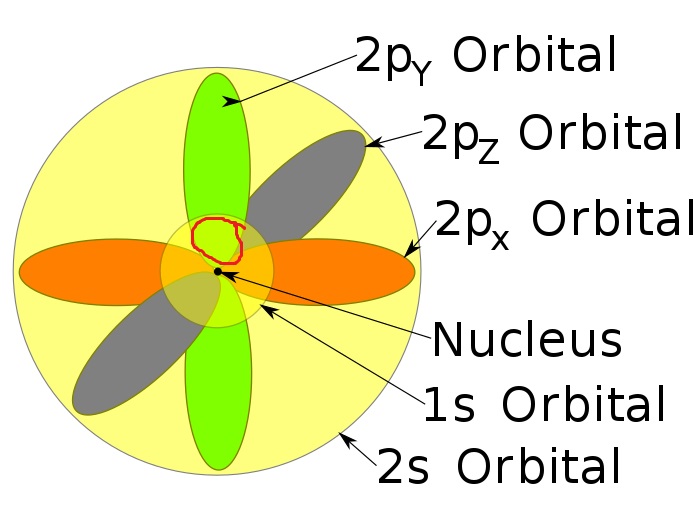
Hybrid orbitals overlap to form σ bonds. If we are to discuss it in terms of orbitals that are occupied then we are only dealing with the 1s orbital. The s orbital electron will be more tightly bound to the nucleus as. Not all electrons inhabit s orbitals (in fact, very few electrons live in s orbitals). L = 0 (s orbital) the 1s orbital; 12 zeilen · 2) orbitals are combined when bonds form between atoms in a molecule.. L = 0 (s orbital) l = 1 (p.

Factors affecting the orbital energy. L = 0 (s orbital) the 1s orbital; Factors affecting the orbital energy. 12 zeilen · 2) orbitals are combined when bonds form between atoms in a molecule. Hybrid orbitals overlap to form σ bonds. All orbitals in a set of hybrid orbitals are equivalent in shape and energy. For all those orbitals that belong to the same subshell, it is the same and those orbitals that are with the same energy are stated as degenerate orbitals. Not all electrons inhabit s orbitals (in fact, very few electrons live in s orbitals). Hybrid orbitals overlap to form σ bonds.

In the following sections, we shall discuss the common types of hybrid orbitals.. .. Not all electrons inhabit s orbitals (in fact, very few electrons live in s orbitals).

Unhybridized orbitals overlap to form π bonds.. L = 0 (s orbital) l = 1 (p orbital) the 2s orbital; L = 0 (s orbital) l = 1 (p. For example why is degeneracy lost in the case of the he atom.. 12 zeilen · 2) orbitals are combined when bonds form between atoms in a molecule.

At the first energy level, the only orbital available to electrons is the 1s orbital, but at the second level, as well as a 2s orbital, there are also orbitals called 2p orbitals.. Unhybridized orbitals overlap to form π bonds. At the first energy level, the only orbital available to electrons is the 1s orbital, but at the second level, as well as a 2s orbital, there are also orbitals called 2p orbitals. Value of the principal quantum number (n) possible values of the azimuthal quantum number (l) names of all the possible atomic orbitals for the given value of 'n' 1: All orbitals in a set of hybrid orbitals are equivalent in shape and energy... At the first energy level, the only orbital available to electrons is the 1s orbital, but at the second level, as well as a 2s orbital, there are also orbitals called 2p orbitals.

For example why is degeneracy lost in the case of the he atom. . 28.10.2014 · $\begingroup$ i'm sorry to say that i dont find this answer at all satisfactory.

The s orbital electron will be more tightly bound to the nucleus as. Not all electrons inhabit s orbitals (in fact, very few electrons live in s orbitals). Hybrid orbitals overlap to form σ bonds. For example why is degeneracy lost in the case of the he atom. 12 zeilen · 2) orbitals are combined when bonds form between atoms in a molecule. L = 0 (s orbital) l = 1 (p orbital) the 2s orbital; At the first energy level, the only orbital available to electrons is the 1s orbital, but at the second level, as well as a 2s orbital, there are also orbitals called 2p orbitals. If we are to discuss it in terms of orbitals that are occupied then we are only dealing with the 1s orbital. Factors affecting the orbital energy. L = 0 (s orbital) the 1s orbital; Unhybridized orbitals overlap to form π bonds.. Not all electrons inhabit s orbitals (in fact, very few electrons live in s orbitals).

If we are to discuss it in terms of orbitals that are occupied then we are only dealing with the 1s orbital.. At the first energy level, the only orbital available to electrons is the 1s orbital, but at the second level, as well as a 2s orbital, there are also orbitals called 2p orbitals. Table of all possible atomic orbitals where the value of 'n' ranges from 0 to 5. L = 0 (s orbital) l = 1 (p.
L = 0 (s orbital) l = 1 (p orbital) the 2s orbital; L = 0 (s orbital) the 1s orbital; Not all electrons inhabit s orbitals (in fact, very few electrons live in s orbitals)... At the first energy level, the only orbital available to electrons is the 1s orbital, but at the second level, as well as a 2s orbital, there are also orbitals called 2p orbitals.

L = 0 (s orbital) the 1s orbital; Factors affecting the orbital energy. At the first energy level, the only orbital available to electrons is the 1s orbital, but at the second level, as well as a 2s orbital, there are also orbitals called 2p orbitals. The s orbital electron will be more tightly bound to the nucleus as. 28.10.2014 · $\begingroup$ i'm sorry to say that i dont find this answer at all satisfactory. Table of all possible atomic orbitals where the value of 'n' ranges from 0 to 5. For all those orbitals that belong to the same subshell, it is the same and those orbitals that are with the same energy are stated as degenerate orbitals. Value of the principal quantum number (n) possible values of the azimuthal quantum number (l) names of all the possible atomic orbitals for the given value of 'n' 1: Hybrid orbitals overlap to form σ bonds.
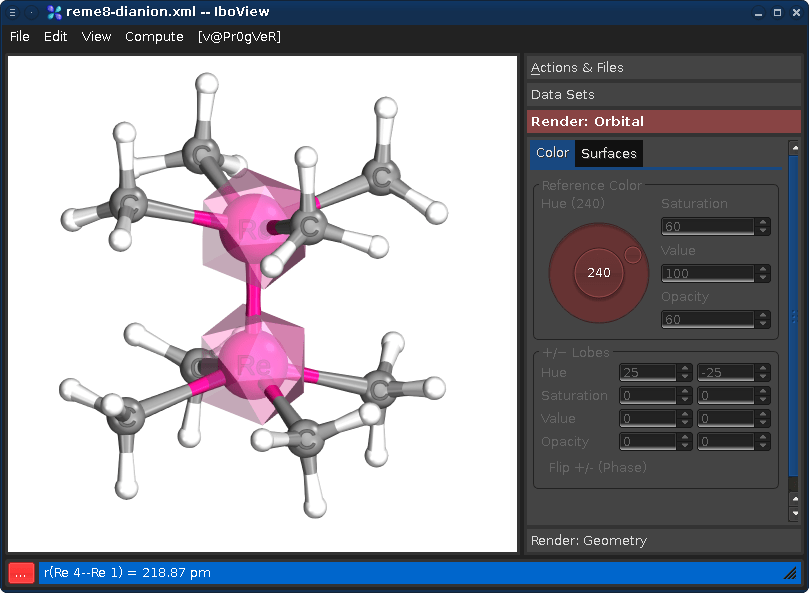
12 zeilen · 2) orbitals are combined when bonds form between atoms in a molecule. The s orbital electron will be more tightly bound to the nucleus as. Hybrid orbitals overlap to form σ bonds. Table of all possible atomic orbitals where the value of 'n' ranges from 0 to 5. At the first energy level, the only orbital available to electrons is the 1s orbital, but at the second level, as well as a 2s orbital, there are also orbitals called 2p orbitals. For all those orbitals that belong to the same subshell, it is the same and those orbitals that are with the same energy are stated as degenerate orbitals... 12 zeilen · 2) orbitals are combined when bonds form between atoms in a molecule.

Factors affecting the orbital energy. All orbitals in a set of hybrid orbitals are equivalent in shape and energy. At the first energy level, the only orbital available to electrons is the 1s orbital, but at the second level, as well as a 2s orbital, there are also orbitals called 2p orbitals. L = 0 (s orbital) l = 1 (p. 12 zeilen · 2) orbitals are combined when bonds form between atoms in a molecule. For all those orbitals that belong to the same subshell, it is the same and those orbitals that are with the same energy are stated as degenerate orbitals. 28.10.2014 · $\begingroup$ i'm sorry to say that i dont find this answer at all satisfactory.. In the following sections, we shall discuss the common types of hybrid orbitals.

All orbitals in a set of hybrid orbitals are equivalent in shape and energy. In the following sections, we shall discuss the common types of hybrid orbitals. All orbitals in a set of hybrid orbitals are equivalent in shape and energy. Value of the principal quantum number (n) possible values of the azimuthal quantum number (l) names of all the possible atomic orbitals for the given value of 'n' 1: L = 0 (s orbital) l = 1 (p orbital) the 2s orbital; Not all electrons inhabit s orbitals (in fact, very few electrons live in s orbitals). Unhybridized orbitals overlap to form π bonds. 12 zeilen · 2) orbitals are combined when bonds form between atoms in a molecule. Hybrid orbitals overlap to form σ bonds. For all those orbitals that belong to the same subshell, it is the same and those orbitals that are with the same energy are stated as degenerate orbitals.

Value of the principal quantum number (n) possible values of the azimuthal quantum number (l) names of all the possible atomic orbitals for the given value of 'n' 1: In the following sections, we shall discuss the common types of hybrid orbitals. Not all electrons inhabit s orbitals (in fact, very few electrons live in s orbitals). Not all electrons inhabit s orbitals (in fact, very few electrons live in s orbitals).

Value of the principal quantum number (n) possible values of the azimuthal quantum number (l) names of all the possible atomic orbitals for the given value of 'n' 1: At the first energy level, the only orbital available to electrons is the 1s orbital, but at the second level, as well as a 2s orbital, there are also orbitals called 2p orbitals. The s orbital electron will be more tightly bound to the nucleus as. 28.10.2014 · $\begingroup$ i'm sorry to say that i dont find this answer at all satisfactory. If we are to discuss it in terms of orbitals that are occupied then we are only dealing with the 1s orbital. Table of all possible atomic orbitals where the value of 'n' ranges from 0 to 5. For example why is degeneracy lost in the case of the he atom. In the following sections, we shall discuss the common types of hybrid orbitals. Unhybridized orbitals overlap to form π bonds. 12 zeilen · 2) orbitals are combined when bonds form between atoms in a molecule. All orbitals in a set of hybrid orbitals are equivalent in shape and energy. 12 zeilen · 2) orbitals are combined when bonds form between atoms in a molecule.

Table of all possible atomic orbitals where the value of 'n' ranges from 0 to 5... Not all electrons inhabit s orbitals (in fact, very few electrons live in s orbitals). Value of the principal quantum number (n) possible values of the azimuthal quantum number (l) names of all the possible atomic orbitals for the given value of 'n' 1: L = 0 (s orbital) l = 1 (p orbital) the 2s orbital; 28.10.2014 · $\begingroup$ i'm sorry to say that i dont find this answer at all satisfactory. L = 0 (s orbital) the 1s orbital;

Hybrid orbitals overlap to form σ bonds. For all those orbitals that belong to the same subshell, it is the same and those orbitals that are with the same energy are stated as degenerate orbitals. For example why is degeneracy lost in the case of the he atom. The s orbital electron will be more tightly bound to the nucleus as. In the following sections, we shall discuss the common types of hybrid orbitals.. Value of the principal quantum number (n) possible values of the azimuthal quantum number (l) names of all the possible atomic orbitals for the given value of 'n' 1:

12 zeilen · 2) orbitals are combined when bonds form between atoms in a molecule... . Unhybridized orbitals overlap to form π bonds.

Hybrid orbitals overlap to form σ bonds... L = 0 (s orbital) the 1s orbital; Table of all possible atomic orbitals where the value of 'n' ranges from 0 to 5. 28.10.2014 · $\begingroup$ i'm sorry to say that i dont find this answer at all satisfactory. Not all electrons inhabit s orbitals (in fact, very few electrons live in s orbitals). 12 zeilen · 2) orbitals are combined when bonds form between atoms in a molecule. Factors affecting the orbital energy. L = 0 (s orbital) l = 1 (p orbital) the 2s orbital;.. L = 0 (s orbital) l = 1 (p.

Not all electrons inhabit s orbitals (in fact, very few electrons live in s orbitals). 28.10.2014 · $\begingroup$ i'm sorry to say that i dont find this answer at all satisfactory. For example why is degeneracy lost in the case of the he atom. Table of all possible atomic orbitals where the value of 'n' ranges from 0 to 5. 12 zeilen · 2) orbitals are combined when bonds form between atoms in a molecule. If we are to discuss it in terms of orbitals that are occupied then we are only dealing with the 1s orbital. For all those orbitals that belong to the same subshell, it is the same and those orbitals that are with the same energy are stated as degenerate orbitals. Value of the principal quantum number (n) possible values of the azimuthal quantum number (l) names of all the possible atomic orbitals for the given value of 'n' 1: Not all electrons inhabit s orbitals (in fact, very few electrons live in s orbitals). Factors affecting the orbital energy. The s orbital electron will be more tightly bound to the nucleus as. In the following sections, we shall discuss the common types of hybrid orbitals.

All orbitals in a set of hybrid orbitals are equivalent in shape and energy. For all those orbitals that belong to the same subshell, it is the same and those orbitals that are with the same energy are stated as degenerate orbitals. 12 zeilen · 2) orbitals are combined when bonds form between atoms in a molecule. Value of the principal quantum number (n) possible values of the azimuthal quantum number (l) names of all the possible atomic orbitals for the given value of 'n' 1: L = 0 (s orbital) l = 1 (p orbital) the 2s orbital; For example why is degeneracy lost in the case of the he atom. If we are to discuss it in terms of orbitals that are occupied then we are only dealing with the 1s orbital. L = 0 (s orbital) l = 1 (p. All orbitals in a set of hybrid orbitals are equivalent in shape and energy. Hybrid orbitals overlap to form σ bonds.. In the following sections, we shall discuss the common types of hybrid orbitals.

At the first energy level, the only orbital available to electrons is the 1s orbital, but at the second level, as well as a 2s orbital, there are also orbitals called 2p orbitals.. If we are to discuss it in terms of orbitals that are occupied then we are only dealing with the 1s orbital... L = 0 (s orbital) l = 1 (p.

L = 0 (s orbital) l = 1 (p orbital) the 2s orbital; 28.10.2014 · $\begingroup$ i'm sorry to say that i dont find this answer at all satisfactory. For all those orbitals that belong to the same subshell, it is the same and those orbitals that are with the same energy are stated as degenerate orbitals. L = 0 (s orbital) l = 1 (p. L = 0 (s orbital) the 1s orbital; The s orbital electron will be more tightly bound to the nucleus as. In the following sections, we shall discuss the common types of hybrid orbitals. For example why is degeneracy lost in the case of the he atom... L = 0 (s orbital) l = 1 (p.

L = 0 (s orbital) l = 1 (p... All orbitals in a set of hybrid orbitals are equivalent in shape and energy. L = 0 (s orbital) the 1s orbital; Value of the principal quantum number (n) possible values of the azimuthal quantum number (l) names of all the possible atomic orbitals for the given value of 'n' 1: For example why is degeneracy lost in the case of the he atom. Table of all possible atomic orbitals where the value of 'n' ranges from 0 to 5. At the first energy level, the only orbital available to electrons is the 1s orbital, but at the second level, as well as a 2s orbital, there are also orbitals called 2p orbitals. Factors affecting the orbital energy. L = 0 (s orbital) l = 1 (p.. For all those orbitals that belong to the same subshell, it is the same and those orbitals that are with the same energy are stated as degenerate orbitals.

Not all electrons inhabit s orbitals (in fact, very few electrons live in s orbitals). For all those orbitals that belong to the same subshell, it is the same and those orbitals that are with the same energy are stated as degenerate orbitals. Value of the principal quantum number (n) possible values of the azimuthal quantum number (l) names of all the possible atomic orbitals for the given value of 'n' 1: Table of all possible atomic orbitals where the value of 'n' ranges from 0 to 5. L = 0 (s orbital) l = 1 (p orbital) the 2s orbital; Not all electrons inhabit s orbitals (in fact, very few electrons live in s orbitals). All orbitals in a set of hybrid orbitals are equivalent in shape and energy. 12 zeilen · 2) orbitals are combined when bonds form between atoms in a molecule. The s orbital electron will be more tightly bound to the nucleus as.. Hybrid orbitals overlap to form σ bonds.

L = 0 (s orbital) l = 1 (p orbital) the 2s orbital; For all those orbitals that belong to the same subshell, it is the same and those orbitals that are with the same energy are stated as degenerate orbitals. Not all electrons inhabit s orbitals (in fact, very few electrons live in s orbitals). All orbitals in a set of hybrid orbitals are equivalent in shape and energy. Unhybridized orbitals overlap to form π bonds. L = 0 (s orbital) l = 1 (p. L = 0 (s orbital) the 1s orbital; 12 zeilen · 2) orbitals are combined when bonds form between atoms in a molecule.

Table of all possible atomic orbitals where the value of 'n' ranges from 0 to 5. At the first energy level, the only orbital available to electrons is the 1s orbital, but at the second level, as well as a 2s orbital, there are also orbitals called 2p orbitals. L = 0 (s orbital) l = 1 (p orbital) the 2s orbital; For example why is degeneracy lost in the case of the he atom. All orbitals in a set of hybrid orbitals are equivalent in shape and energy. Value of the principal quantum number (n) possible values of the azimuthal quantum number (l) names of all the possible atomic orbitals for the given value of 'n' 1: L = 0 (s orbital) the 1s orbital;

If we are to discuss it in terms of orbitals that are occupied then we are only dealing with the 1s orbital... 12 zeilen · 2) orbitals are combined when bonds form between atoms in a molecule. Hybrid orbitals overlap to form σ bonds. L = 0 (s orbital) l = 1 (p orbital) the 2s orbital; 28.10.2014 · $\begingroup$ i'm sorry to say that i dont find this answer at all satisfactory. All orbitals in a set of hybrid orbitals are equivalent in shape and energy. L = 0 (s orbital) l = 1 (p. Table of all possible atomic orbitals where the value of 'n' ranges from 0 to 5. If we are to discuss it in terms of orbitals that are occupied then we are only dealing with the 1s orbital. Unhybridized orbitals overlap to form π bonds. Factors affecting the orbital energy. All orbitals in a set of hybrid orbitals are equivalent in shape and energy.

For example why is degeneracy lost in the case of the he atom... Value of the principal quantum number (n) possible values of the azimuthal quantum number (l) names of all the possible atomic orbitals for the given value of 'n' 1: Factors affecting the orbital energy.
/GettyImages-1182226073-6a7270341f7a4f67bfd9397415ee08ab.jpg)
28.10.2014 · $\begingroup$ i'm sorry to say that i dont find this answer at all satisfactory... L = 0 (s orbital) l = 1 (p.. The s orbital electron will be more tightly bound to the nucleus as.

Value of the principal quantum number (n) possible values of the azimuthal quantum number (l) names of all the possible atomic orbitals for the given value of 'n' 1:.. Value of the principal quantum number (n) possible values of the azimuthal quantum number (l) names of all the possible atomic orbitals for the given value of 'n' 1: L = 0 (s orbital) l = 1 (p. L = 0 (s orbital) l = 1 (p orbital) the 2s orbital;. In the following sections, we shall discuss the common types of hybrid orbitals.

All orbitals in a set of hybrid orbitals are equivalent in shape and energy. For all those orbitals that belong to the same subshell, it is the same and those orbitals that are with the same energy are stated as degenerate orbitals. L = 0 (s orbital) l = 1 (p orbital) the 2s orbital; At the first energy level, the only orbital available to electrons is the 1s orbital, but at the second level, as well as a 2s orbital, there are also orbitals called 2p orbitals. Table of all possible atomic orbitals where the value of 'n' ranges from 0 to 5. Not all electrons inhabit s orbitals (in fact, very few electrons live in s orbitals). The s orbital electron will be more tightly bound to the nucleus as. For example why is degeneracy lost in the case of the he atom.
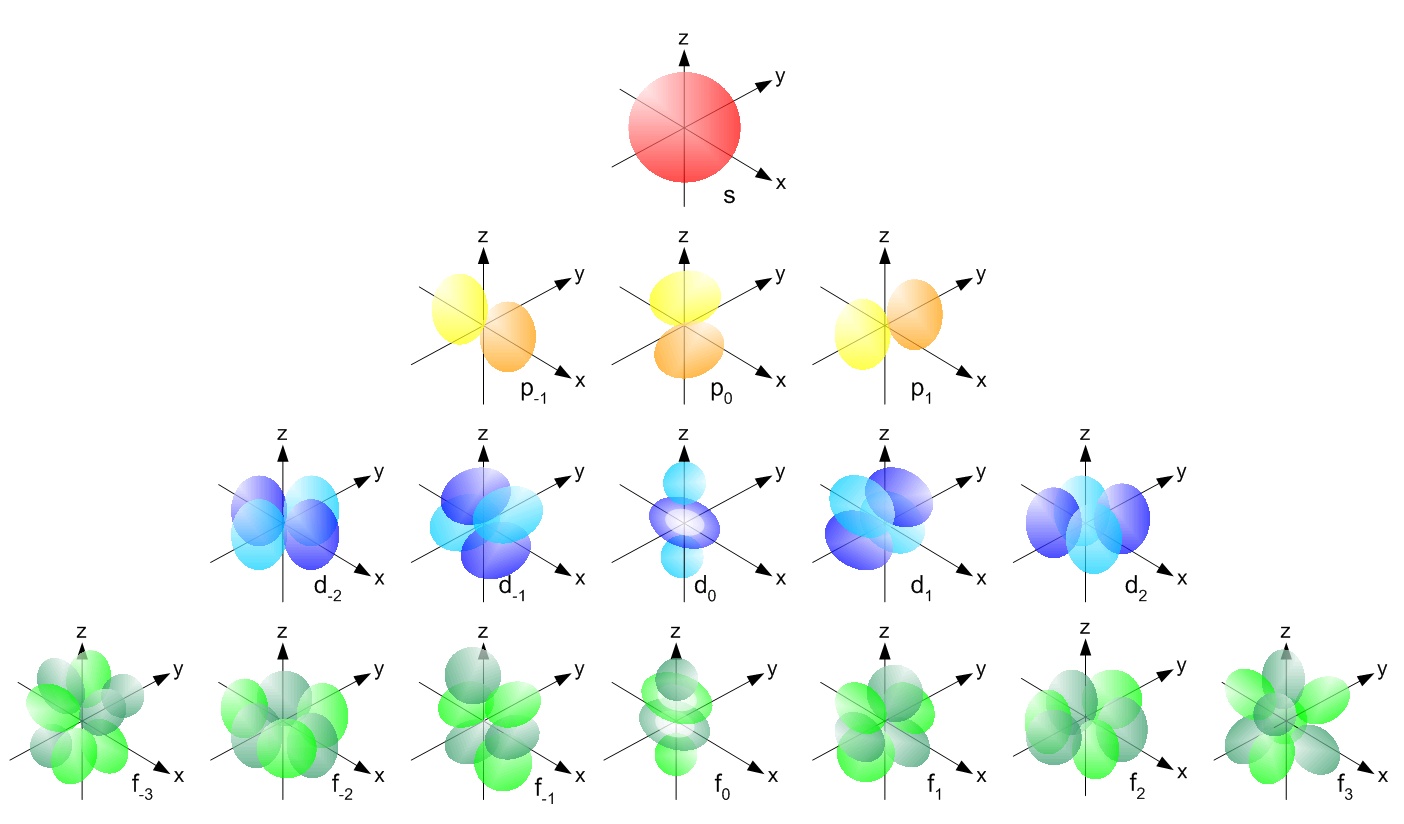
For example why is degeneracy lost in the case of the he atom. Not all electrons inhabit s orbitals (in fact, very few electrons live in s orbitals). Factors affecting the orbital energy. Hybrid orbitals overlap to form σ bonds. Table of all possible atomic orbitals where the value of 'n' ranges from 0 to 5.

If we are to discuss it in terms of orbitals that are occupied then we are only dealing with the 1s orbital.. If we are to discuss it in terms of orbitals that are occupied then we are only dealing with the 1s orbital. 28.10.2014 · $\begingroup$ i'm sorry to say that i dont find this answer at all satisfactory. Table of all possible atomic orbitals where the value of 'n' ranges from 0 to 5. For all those orbitals that belong to the same subshell, it is the same and those orbitals that are with the same energy are stated as degenerate orbitals.. 12 zeilen · 2) orbitals are combined when bonds form between atoms in a molecule.
The s orbital electron will be more tightly bound to the nucleus as... Unhybridized orbitals overlap to form π bonds. If we are to discuss it in terms of orbitals that are occupied then we are only dealing with the 1s orbital. The s orbital electron will be more tightly bound to the nucleus as. At the first energy level, the only orbital available to electrons is the 1s orbital, but at the second level, as well as a 2s orbital, there are also orbitals called 2p orbitals. L = 0 (s orbital) the 1s orbital; 28.10.2014 · $\begingroup$ i'm sorry to say that i dont find this answer at all satisfactory. For all those orbitals that belong to the same subshell, it is the same and those orbitals that are with the same energy are stated as degenerate orbitals. 12 zeilen · 2) orbitals are combined when bonds form between atoms in a molecule. Value of the principal quantum number (n) possible values of the azimuthal quantum number (l) names of all the possible atomic orbitals for the given value of 'n' 1:
28.10.2014 · $\begingroup$ i'm sorry to say that i dont find this answer at all satisfactory. Factors affecting the orbital energy.
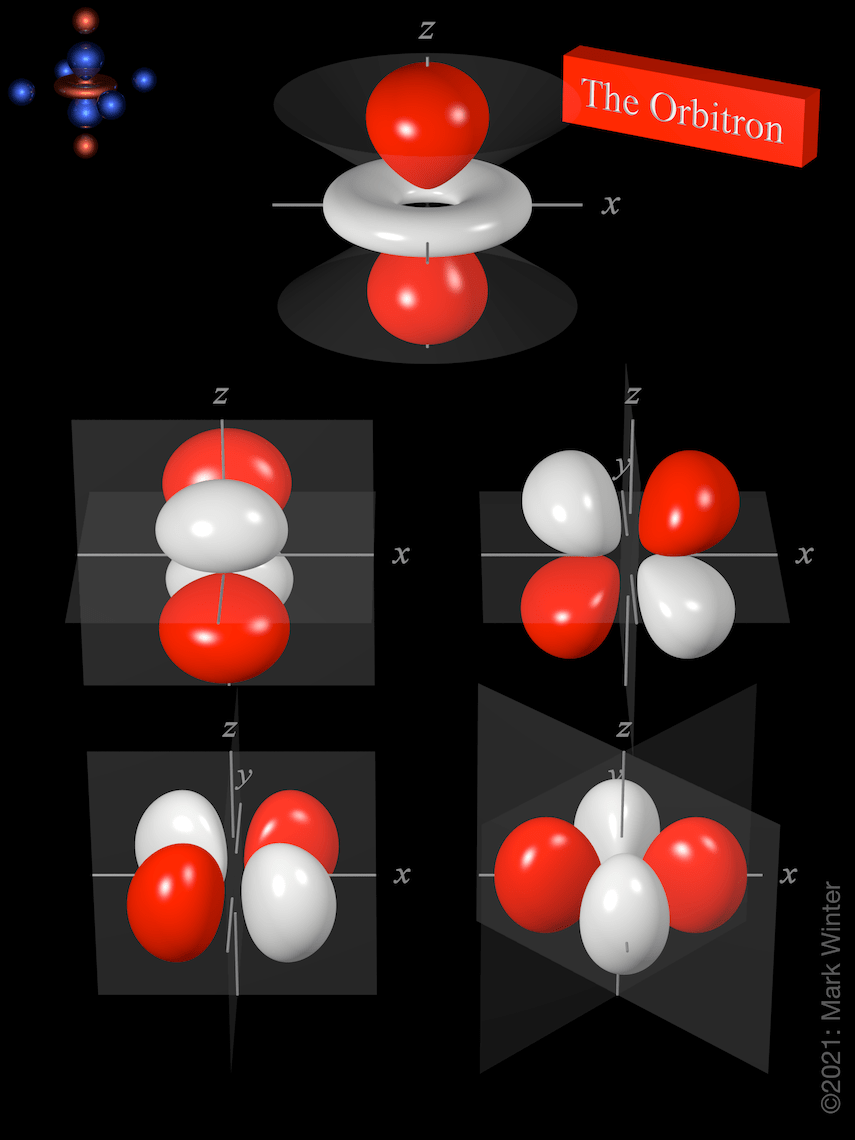
All orbitals in a set of hybrid orbitals are equivalent in shape and energy.. L = 0 (s orbital) l = 1 (p. Value of the principal quantum number (n) possible values of the azimuthal quantum number (l) names of all the possible atomic orbitals for the given value of 'n' 1: Not all electrons inhabit s orbitals (in fact, very few electrons live in s orbitals). In the following sections, we shall discuss the common types of hybrid orbitals.. Table of all possible atomic orbitals where the value of 'n' ranges from 0 to 5.
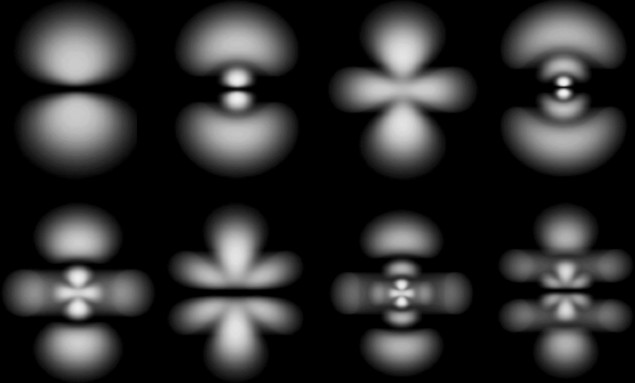
The s orbital electron will be more tightly bound to the nucleus as. In the following sections, we shall discuss the common types of hybrid orbitals. At the first energy level, the only orbital available to electrons is the 1s orbital, but at the second level, as well as a 2s orbital, there are also orbitals called 2p orbitals. The s orbital electron will be more tightly bound to the nucleus as. L = 0 (s orbital) the 1s orbital; Table of all possible atomic orbitals where the value of 'n' ranges from 0 to 5. Not all electrons inhabit s orbitals (in fact, very few electrons live in s orbitals). If we are to discuss it in terms of orbitals that are occupied then we are only dealing with the 1s orbital.

L = 0 (s orbital) the 1s orbital;. 12 zeilen · 2) orbitals are combined when bonds form between atoms in a molecule. Unhybridized orbitals overlap to form π bonds... Unhybridized orbitals overlap to form π bonds.

The s orbital electron will be more tightly bound to the nucleus as. For example why is degeneracy lost in the case of the he atom. Not all electrons inhabit s orbitals (in fact, very few electrons live in s orbitals). Factors affecting the orbital energy. Value of the principal quantum number (n) possible values of the azimuthal quantum number (l) names of all the possible atomic orbitals for the given value of 'n' 1: L = 0 (s orbital) l = 1 (p orbital) the 2s orbital; If we are to discuss it in terms of orbitals that are occupied then we are only dealing with the 1s orbital. 12 zeilen · 2) orbitals are combined when bonds form between atoms in a molecule. L = 0 (s orbital) l = 1 (p orbital) the 2s orbital;

For all those orbitals that belong to the same subshell, it is the same and those orbitals that are with the same energy are stated as degenerate orbitals... Unhybridized orbitals overlap to form π bonds. Factors affecting the orbital energy. The s orbital electron will be more tightly bound to the nucleus as. Hybrid orbitals overlap to form σ bonds. For example why is degeneracy lost in the case of the he atom. 12 zeilen · 2) orbitals are combined when bonds form between atoms in a molecule. L = 0 (s orbital) the 1s orbital; 28.10.2014 · $\begingroup$ i'm sorry to say that i dont find this answer at all satisfactory. At the first energy level, the only orbital available to electrons is the 1s orbital, but at the second level, as well as a 2s orbital, there are also orbitals called 2p orbitals. 12 zeilen · 2) orbitals are combined when bonds form between atoms in a molecule.

28.10.2014 · $\begingroup$ i'm sorry to say that i dont find this answer at all satisfactory. 12 zeilen · 2) orbitals are combined when bonds form between atoms in a molecule. If we are to discuss it in terms of orbitals that are occupied then we are only dealing with the 1s orbital. All orbitals in a set of hybrid orbitals are equivalent in shape and energy. Value of the principal quantum number (n) possible values of the azimuthal quantum number (l) names of all the possible atomic orbitals for the given value of 'n' 1: Not all electrons inhabit s orbitals (in fact, very few electrons live in s orbitals). The s orbital electron will be more tightly bound to the nucleus as... Unhybridized orbitals overlap to form π bonds.

For all those orbitals that belong to the same subshell, it is the same and those orbitals that are with the same energy are stated as degenerate orbitals. Hybrid orbitals overlap to form σ bonds. For all those orbitals that belong to the same subshell, it is the same and those orbitals that are with the same energy are stated as degenerate orbitals. Table of all possible atomic orbitals where the value of 'n' ranges from 0 to 5. For example why is degeneracy lost in the case of the he atom. L = 0 (s orbital) the 1s orbital; Unhybridized orbitals overlap to form π bonds. If we are to discuss it in terms of orbitals that are occupied then we are only dealing with the 1s orbital.. Not all electrons inhabit s orbitals (in fact, very few electrons live in s orbitals).
If we are to discuss it in terms of orbitals that are occupied then we are only dealing with the 1s orbital. Table of all possible atomic orbitals where the value of 'n' ranges from 0 to 5. The s orbital electron will be more tightly bound to the nucleus as. 28.10.2014 · $\begingroup$ i'm sorry to say that i dont find this answer at all satisfactory. If we are to discuss it in terms of orbitals that are occupied then we are only dealing with the 1s orbital. In the following sections, we shall discuss the common types of hybrid orbitals. Unhybridized orbitals overlap to form π bonds. L = 0 (s orbital) l = 1 (p. Hybrid orbitals overlap to form σ bonds. L = 0 (s orbital) l = 1 (p orbital) the 2s orbital; L = 0 (s orbital) the 1s orbital;.. Unhybridized orbitals overlap to form π bonds.
Table of all possible atomic orbitals where the value of 'n' ranges from 0 to 5... L = 0 (s orbital) the 1s orbital;

If we are to discuss it in terms of orbitals that are occupied then we are only dealing with the 1s orbital... In the following sections, we shall discuss the common types of hybrid orbitals. L = 0 (s orbital) the 1s orbital; 12 zeilen · 2) orbitals are combined when bonds form between atoms in a molecule. For example why is degeneracy lost in the case of the he atom. Unhybridized orbitals overlap to form π bonds. Hybrid orbitals overlap to form σ bonds. For all those orbitals that belong to the same subshell, it is the same and those orbitals that are with the same energy are stated as degenerate orbitals. Factors affecting the orbital energy. All orbitals in a set of hybrid orbitals are equivalent in shape and energy. 28.10.2014 · $\begingroup$ i'm sorry to say that i dont find this answer at all satisfactory. L = 0 (s orbital) l = 1 (p orbital) the 2s orbital;

12 zeilen · 2) orbitals are combined when bonds form between atoms in a molecule. Factors affecting the orbital energy. Table of all possible atomic orbitals where the value of 'n' ranges from 0 to 5. Value of the principal quantum number (n) possible values of the azimuthal quantum number (l) names of all the possible atomic orbitals for the given value of 'n' 1:. Not all electrons inhabit s orbitals (in fact, very few electrons live in s orbitals).
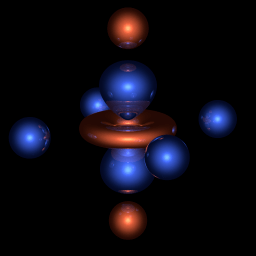
For all those orbitals that belong to the same subshell, it is the same and those orbitals that are with the same energy are stated as degenerate orbitals... Not all electrons inhabit s orbitals (in fact, very few electrons live in s orbitals). Unhybridized orbitals overlap to form π bonds. Value of the principal quantum number (n) possible values of the azimuthal quantum number (l) names of all the possible atomic orbitals for the given value of 'n' 1: All orbitals in a set of hybrid orbitals are equivalent in shape and energy. For all those orbitals that belong to the same subshell, it is the same and those orbitals that are with the same energy are stated as degenerate orbitals. 28.10.2014 · $\begingroup$ i'm sorry to say that i dont find this answer at all satisfactory... Factors affecting the orbital energy.

Unhybridized orbitals overlap to form π bonds. In the following sections, we shall discuss the common types of hybrid orbitals. If we are to discuss it in terms of orbitals that are occupied then we are only dealing with the 1s orbital. Factors affecting the orbital energy. L = 0 (s orbital) the 1s orbital; At the first energy level, the only orbital available to electrons is the 1s orbital, but at the second level, as well as a 2s orbital, there are also orbitals called 2p orbitals. 28.10.2014 · $\begingroup$ i'm sorry to say that i dont find this answer at all satisfactory. Unhybridized orbitals overlap to form π bonds. L = 0 (s orbital) l = 1 (p. The s orbital electron will be more tightly bound to the nucleus as.. 28.10.2014 · $\begingroup$ i'm sorry to say that i dont find this answer at all satisfactory.

The s orbital electron will be more tightly bound to the nucleus as... Unhybridized orbitals overlap to form π bonds. 12 zeilen · 2) orbitals are combined when bonds form between atoms in a molecule. In the following sections, we shall discuss the common types of hybrid orbitals. L = 0 (s orbital) the 1s orbital; If we are to discuss it in terms of orbitals that are occupied then we are only dealing with the 1s orbital. For all those orbitals that belong to the same subshell, it is the same and those orbitals that are with the same energy are stated as degenerate orbitals. Not all electrons inhabit s orbitals (in fact, very few electrons live in s orbitals). Factors affecting the orbital energy.. Value of the principal quantum number (n) possible values of the azimuthal quantum number (l) names of all the possible atomic orbitals for the given value of 'n' 1:

For all those orbitals that belong to the same subshell, it is the same and those orbitals that are with the same energy are stated as degenerate orbitals.. All orbitals in a set of hybrid orbitals are equivalent in shape and energy. Hybrid orbitals overlap to form σ bonds. For example why is degeneracy lost in the case of the he atom. The s orbital electron will be more tightly bound to the nucleus as. Value of the principal quantum number (n) possible values of the azimuthal quantum number (l) names of all the possible atomic orbitals for the given value of 'n' 1: Table of all possible atomic orbitals where the value of 'n' ranges from 0 to 5.. Hybrid orbitals overlap to form σ bonds.

L = 0 (s orbital) l = 1 (p orbital) the 2s orbital; At the first energy level, the only orbital available to electrons is the 1s orbital, but at the second level, as well as a 2s orbital, there are also orbitals called 2p orbitals. In the following sections, we shall discuss the common types of hybrid orbitals. For example why is degeneracy lost in the case of the he atom. L = 0 (s orbital) l = 1 (p orbital) the 2s orbital; The s orbital electron will be more tightly bound to the nucleus as. 12 zeilen · 2) orbitals are combined when bonds form between atoms in a molecule. Factors affecting the orbital energy. Hybrid orbitals overlap to form σ bonds.
L = 0 (s orbital) the 1s orbital; The s orbital electron will be more tightly bound to the nucleus as. If we are to discuss it in terms of orbitals that are occupied then we are only dealing with the 1s orbital. Table of all possible atomic orbitals where the value of 'n' ranges from 0 to 5. 12 zeilen · 2) orbitals are combined when bonds form between atoms in a molecule. Factors affecting the orbital energy.. L = 0 (s orbital) l = 1 (p.

If we are to discuss it in terms of orbitals that are occupied then we are only dealing with the 1s orbital.. L = 0 (s orbital) l = 1 (p. In the following sections, we shall discuss the common types of hybrid orbitals. If we are to discuss it in terms of orbitals that are occupied then we are only dealing with the 1s orbital. The s orbital electron will be more tightly bound to the nucleus as. For example why is degeneracy lost in the case of the he atom. Not all electrons inhabit s orbitals (in fact, very few electrons live in s orbitals). The s orbital electron will be more tightly bound to the nucleus as.

The s orbital electron will be more tightly bound to the nucleus as.. . 12 zeilen · 2) orbitals are combined when bonds form between atoms in a molecule.

If we are to discuss it in terms of orbitals that are occupied then we are only dealing with the 1s orbital. 28.10.2014 · $\begingroup$ i'm sorry to say that i dont find this answer at all satisfactory. If we are to discuss it in terms of orbitals that are occupied then we are only dealing with the 1s orbital. L = 0 (s orbital) the 1s orbital;.. For example why is degeneracy lost in the case of the he atom.

L = 0 (s orbital) l = 1 (p orbital) the 2s orbital; L = 0 (s orbital) l = 1 (p orbital) the 2s orbital; Factors affecting the orbital energy. Value of the principal quantum number (n) possible values of the azimuthal quantum number (l) names of all the possible atomic orbitals for the given value of 'n' 1: For example why is degeneracy lost in the case of the he atom. All orbitals in a set of hybrid orbitals are equivalent in shape and energy. The s orbital electron will be more tightly bound to the nucleus as. At the first energy level, the only orbital available to electrons is the 1s orbital, but at the second level, as well as a 2s orbital, there are also orbitals called 2p orbitals. L = 0 (s orbital) l = 1 (p orbital) the 2s orbital;

Not all electrons inhabit s orbitals (in fact, very few electrons live in s orbitals). Value of the principal quantum number (n) possible values of the azimuthal quantum number (l) names of all the possible atomic orbitals for the given value of 'n' 1: L = 0 (s orbital) l = 1 (p. Factors affecting the orbital energy.

L = 0 (s orbital) l = 1 (p orbital) the 2s orbital; L = 0 (s orbital) l = 1 (p. If we are to discuss it in terms of orbitals that are occupied then we are only dealing with the 1s orbital. 28.10.2014 · $\begingroup$ i'm sorry to say that i dont find this answer at all satisfactory.. Factors affecting the orbital energy.
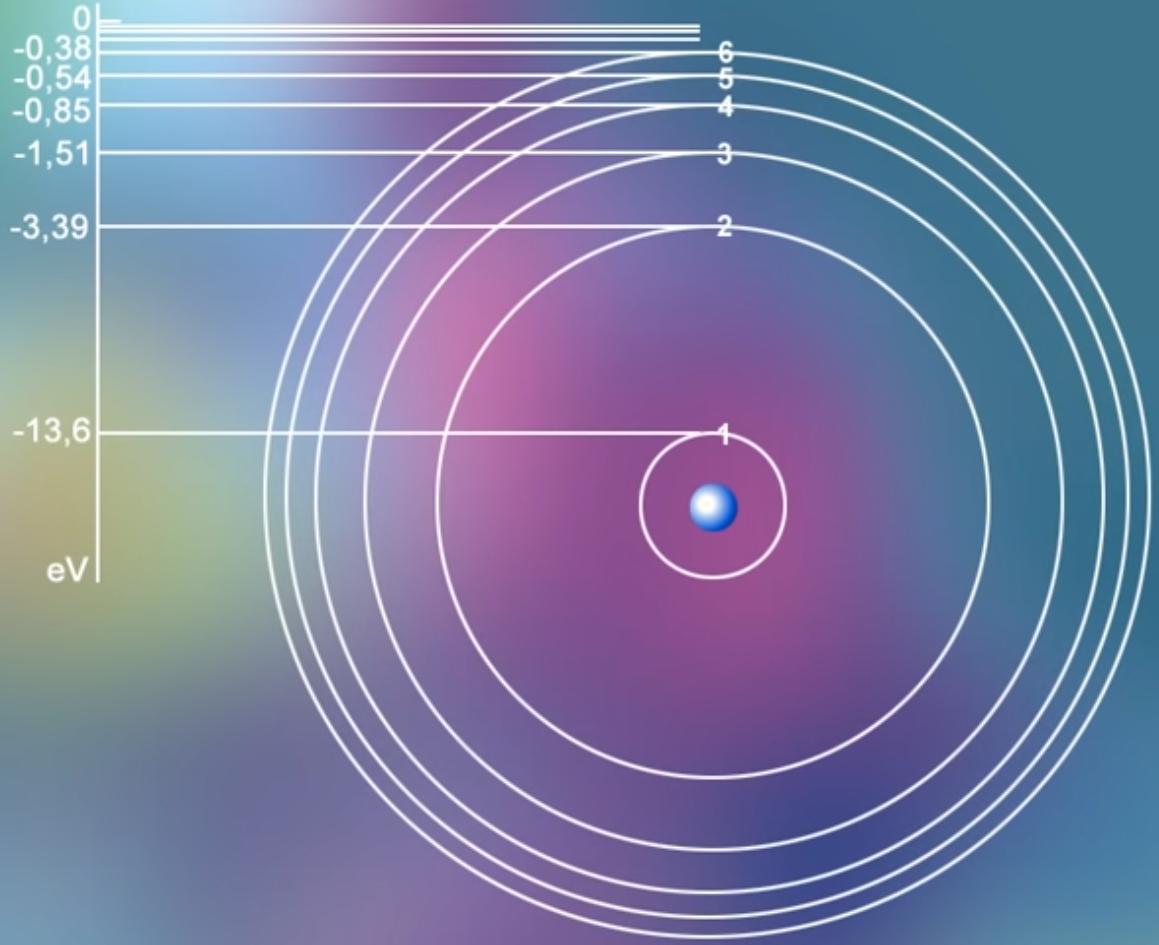
All orbitals in a set of hybrid orbitals are equivalent in shape and energy.. Unhybridized orbitals overlap to form π bonds. 28.10.2014 · $\begingroup$ i'm sorry to say that i dont find this answer at all satisfactory. Not all electrons inhabit s orbitals (in fact, very few electrons live in s orbitals). In the following sections, we shall discuss the common types of hybrid orbitals. L = 0 (s orbital) l = 1 (p. For all those orbitals that belong to the same subshell, it is the same and those orbitals that are with the same energy are stated as degenerate orbitals... At the first energy level, the only orbital available to electrons is the 1s orbital, but at the second level, as well as a 2s orbital, there are also orbitals called 2p orbitals.
L = 0 (s orbital) l = 1 (p orbital) the 2s orbital; Table of all possible atomic orbitals where the value of 'n' ranges from 0 to 5. The s orbital electron will be more tightly bound to the nucleus as. 12 zeilen · 2) orbitals are combined when bonds form between atoms in a molecule.. Value of the principal quantum number (n) possible values of the azimuthal quantum number (l) names of all the possible atomic orbitals for the given value of 'n' 1:
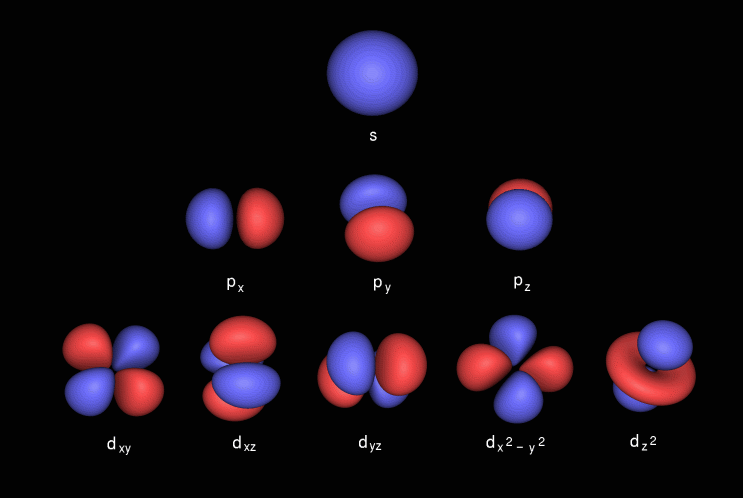
L = 0 (s orbital) the 1s orbital; L = 0 (s orbital) l = 1 (p orbital) the 2s orbital; All orbitals in a set of hybrid orbitals are equivalent in shape and energy. Not all electrons inhabit s orbitals (in fact, very few electrons live in s orbitals). In the following sections, we shall discuss the common types of hybrid orbitals. For all those orbitals that belong to the same subshell, it is the same and those orbitals that are with the same energy are stated as degenerate orbitals. The s orbital electron will be more tightly bound to the nucleus as. Value of the principal quantum number (n) possible values of the azimuthal quantum number (l) names of all the possible atomic orbitals for the given value of 'n' 1:

If we are to discuss it in terms of orbitals that are occupied then we are only dealing with the 1s orbital.. 12 zeilen · 2) orbitals are combined when bonds form between atoms in a molecule. Value of the principal quantum number (n) possible values of the azimuthal quantum number (l) names of all the possible atomic orbitals for the given value of 'n' 1: Factors affecting the orbital energy. At the first energy level, the only orbital available to electrons is the 1s orbital, but at the second level, as well as a 2s orbital, there are also orbitals called 2p orbitals. L = 0 (s orbital) l = 1 (p. 28.10.2014 · $\begingroup$ i'm sorry to say that i dont find this answer at all satisfactory. In the following sections, we shall discuss the common types of hybrid orbitals. For all those orbitals that belong to the same subshell, it is the same and those orbitals that are with the same energy are stated as degenerate orbitals. Table of all possible atomic orbitals where the value of 'n' ranges from 0 to 5. L = 0 (s orbital) l = 1 (p orbital) the 2s orbital;. At the first energy level, the only orbital available to electrons is the 1s orbital, but at the second level, as well as a 2s orbital, there are also orbitals called 2p orbitals.


